

Considering consignment?

When you start downsizing, deciding what to keep is only part of the process. You also have to figure out what to do with everything you no longer want or have room for.
Consignment can be a great option for belongings that still have resale value. You can work with a traditional in-person consignment shop or use an online consignment platform to reach buyers outside your area. In either case, the company handles the sale and keeps a portion of the selling price.
One of the hardest parts is knowing what is actually worth consigning because items you once spent a lot of money on may not be worth very much anymore. Before you start, it helps to know what sells, where to sell it and what to expect throughout the consignment process.
Choosing what to consign: What sells and what doesn’t
Not everything is a good fit for consignment. It often comes down to how useful the item is and how much demand there is for it.
Items that may be worth consigning include:
- Functional furniture: Dressers, nightstands, desks, coffee tables, end tables and smaller dining tables are practical pieces that people can use every day
- Home décor: Decorative items from stores like HomeGoods and Pier 1, including lamps, mirrors, wall décor, vases and other decorative accessories
- Jewelry and accessories: Gold, sterling silver, genuine gemstones, designer jewelry and other sought-after accessories
- Artwork: Original pieces by recognizable artists
- Antiques and collectibles: Items from desirable makers, rare pieces and collectibles with an active market
 On the other hand, large or outdated furniture can be more difficult to sell. Dining room sets, china cabinets and oversized entertainment centers aren’t typically in high demand. But that doesn’t mean an item will never sell. Demand can depend on the time of year. Mary Jo Phillips, store manager at The Velvet Shoestring consignment shop in Williamsburg, says, “A lot of it is seasonal. As we get closer to the holidays, we take more dining room sets because people are getting ready for company and realize they need a bigger table that fits eight people. The rest of the year, I take very few because they don’t sell as well.”
Some shops don’t accept certain items. For example, The Velvet Shoestring doesn’t take sleeper sofas, mattresses or box springs. Phillips also says the store usually doesn’t take Victorian furniture because its customers aren’t typically looking for it. That same furniture, however, may appeal to shoppers at an antique store.
People often think their antiques are worth a lot of money. But age alone doesn’t make something valuable. What matters most is who made it, how rare it is, what condition it’s in and how much demand there is among collectors.
Before consigning something you think could be especially valuable, look for identifying marks, signatures or labels. An appraisal may also be worthwhile for certain artwork, jewelry, antiques or collectibles. Knowing what an item is worth can help you avoid selling it for too little. It can also help you decide whether consignment, an estate sale or auction is the best option.
Is your china and silver worth anything?
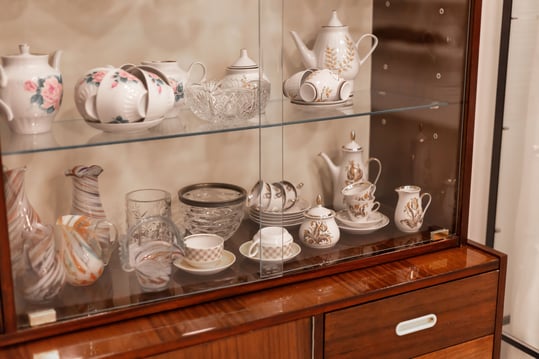
If you’ve held onto a set of china for decades, it may be hard to let go, especially for less than what you paid. But like other collectibles, its resale value depends on the manufacturer, pattern, condition and how much demand there is for it.
Silver can also be difficult to value at a glance. Sterling silver contains real silver and has value based partly on the metal itself. Silver plate, however, only has a thin layer of silver, so its resale value depends more on factors such as the maker, pattern, age and demand.
One resource for researching what you have is Replacements Ltd., which buys and sells china, silver and other collectibles. Its website can help you identify your pattern and find out whether the company is currently interested in buying your pieces. Replacements isn’t a consignment shop, but it may be another option if you ultimately decide to sell.
In-store vs. online consignment
Both in-store and online consignment take much of the work of selling off your hands, but there are some differences to consider.
- In-store consignment:
- Local market: Traditional shops know what is selling in their area and can determine whether there’s likely to be local demand for your belongings.
- Less complicated: Once your items are at the store, you generally don’t have to worry about packing and shipping them to a buyer. Some shops may also offer furniture pickup for a fee.
- Final sales: Many traditional consignment shops consider purchases final because buyers can inspect items before purchasing, so you don’t have to wait through a return period before the sale is finalized.
- Online consignment:
- Larger audience: Online consignment can potentially reach a larger audience, helping niche, designer or collectible pieces reach buyers, even if they aren’t local.
- Shipping and pickup: Policies vary considerably. Some platforms arrange pickup and delivery, while others may require you to pack or ship belongings yourself, which can be difficult with large furniture.
- Returns: Some online consignment platforms allow returns because buyers don’t have the opportunity to inspect them in person. You also may not get paid until the return window has passed.
With either option, find out how the price is determined, when markdowns happen and when you’ll get paid after something sells.
Understanding consignment fees, timelines and policies
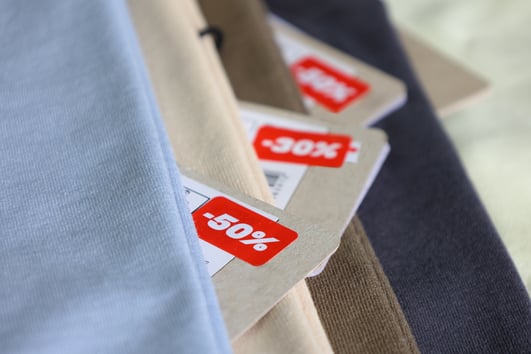 Before consigning, make sure you understand how much you’ll earn, how long the shop will try to sell your items and what happens if they don’t sell. Policies vary, but here’s what you can generally expect:
- Commission: Consignors typically keep about 40% to 60% of the final selling price, depending on the shop and what they’re selling. A 50/50 split is pretty common.
- Timeline: Consignment periods are usually around 60 to 90 days, although some shops may keep certain items for 120 days or longer.
- Markdowns: Some shops begin dropping the price after about 30 days and continue reducing the price the longer it sits.
- Unsold items: If your item reaches the end of the consignment period without selling, you may have the option to pick it up, extend the agreement or allow it to be donated.
At The Velvet Shoestring, Phillips says there is no fee to consign unless you use the store’s pickup service. The store uses a 50/50 split and gradually reduces prices when items don’t sell. Phillips says, “Every 30 days for three months, the price goes down 15%. At the end of three months, once the contract ends, some people choose to donate because they have to move, while others pick the item back up.”
If you’re working toward a move date, understanding the timeline is especially important so you’re not left figuring out what to do with furniture you thought would be gone.
For more help with your move, connect with a Liz Moore & Associates agent and download our free Downsizing Resource Guide.
Download a list of local consignment shops, downsizing services and 55+ communities.