

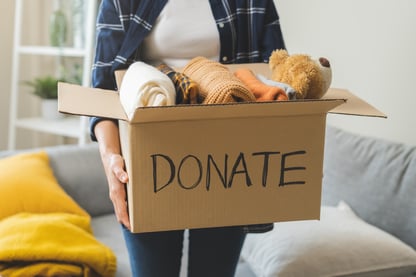
 Downsizing often means getting rid of a lot of your belongings. While you can sell some items, finding buyers can take more time than you have before moving into your new home. Donating can speed up the process while giving back to your community and giving your belongings a second life. You can also sell items that have resale value and donate anything that doesn’t sell or isn’t worth putting on the market.
Where you donate may depend on what you have and the causes that are meaningful to you. Some organizations also accept items that can be difficult to donate elsewhere. From furniture and clothing to medical equipment and pet supplies, there are plenty of places that can put your belongings to good use. This guide can help you find the right place for the items you’re ready to give away.
1. Charitable thrift stores
Charitable thrift stores are a good place to start when you have a variety of items to donate. Organizations such as Goodwill, The Salvation Army and St. Vincent de Paul sell donated items to help fund programs and services in the community. Habitat for Humanity ReStores operate similarly but focus primarily on furniture, appliances and home improvement items.
Good items to donate may include:
- Clothing, shoes and accessories
- Furniture
- Housewares and kitchenware
- Books
- Home décor
- Toys
- Small appliances and electronics
- Tools and other household items
Donation needs and acceptance policies vary, so check with individual organizations before donating.
2. Veterans organizations
If supporting veterans is important to you, groups such as Vietnam Veterans of America (VVA) and AMVETS accept a wide range of donations to help fund their programs and services. These may include clothing, books, small appliances, electronics and household goods. You may also find local veterans groups with their own donation programs.
3. Homeless shelters and family services agencies
Homeless shelters and family services agencies may accept donations to help individuals and families meet immediate needs or get established in a new home. Depending on the organization, your belongings may go directly to someone who needs them rather than being resold.
Many organizations maintain wish lists based on their current needs. These may include:
- Bedding, blankets and towels
- Kitchenware and small appliances
- Furniture
- Clothing
- Toiletries and personal care products
- Cleaning supplies
- Baby and children’s items
Some may also accept items that are harder to donate, such as mattresses and beds for families moving into housing, although used mattresses are often not accepted.
4. Domestic violence and women's shelters
Domestic violence and women’s shelters may need clothing, household goods, children’s items and other essentials for survivors and families staying in shelters or moving into a new home. Many also need new toiletries, personal care products and diapers. Some shelters keep their locations confidential for safety reasons and may provide a separate donation drop-off location.
5. Medical equipment reuse programs
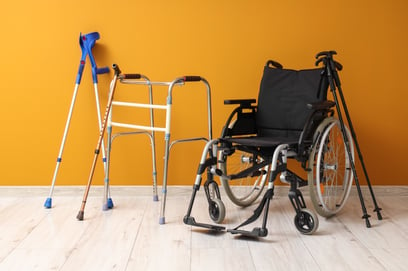 If you have medical equipment that’s no longer being used, a medical equipment reuse program may be able to give it to someone who needs it. These programs collect durable medical equipment, often called DME, including:
- Wheelchairs and transport chairs
- Walkers and rollators
- Canes and crutches
- Shower chairs and transfer benches
- Bedside commodes
- Other mobility and accessibility equipment
Some programs may not accept items such as hospital beds, certain powered equipment or opened medical supplies, so check before donating.
6. Libraries, schools and literacy programs
If you’re downsizing a large book collection, check with local libraries, schools and literacy organizations. Libraries may add donations to their collections or sell them through Friends of the Library book sales, while schools and literacy organizations may accept age-appropriate books and educational materials.
Depending on the organization, useful donations may include:
- Books in good condition
- Audiobooks
- Educational games and materials
- School and art supplies
Outdated, damaged or heavily marked books may not be accepted.
7. Animal shelters and rescues
Animal shelters and rescue organizations are often overlooked when deciding where to donate. If helping animals is a cause that’s important to you, your unwanted belongings could make life a little more comfortable for animals waiting for a home.
Shelters often need linens, including some that may be too worn for resale. Depending on the organization, items needed may include:
- Towels
- Blankets and sheets
- Pet beds
- Pet carriers and crates
- Unopened pet food and treats
- Leashes, collars and toys
- Cleaning supplies
Donation needs vary by shelter, and some may not accept certain types of linens or used pet supplies.
8. Museums, historical societies and specialty nonprofits
Before donating old photographs, documents, memorabilia or collections to a thrift store, consider whether a museum, historical society or other specialty organization might be interested. An item doesn’t necessarily have to be valuable to have historical significance, particularly if it has a connection to your local community.
Items that may be worth asking about include:
- Old photographs and postcards
- Letters, diaries and other documents
- Maps and newspapers
- Military memorabilia
- Vintage clothing and uniforms
- Items related to local history
- Specialized collections
Museums and historical societies are usually selective about what they add to their collections. Contact the organization before bringing anything in and provide as much information as you can about the item’s history.
9. Religious organizations
Churches and other religious organizations may collect clothing, furniture, household goods, food and other necessities to distribute through ministries and community outreach programs. Some also hold periodic donation drives or rummage sales. Check with local congregations to see what they currently need.
10. Buy Nothing and community giveaway groups
Not everything you want to give away has to go to an organization. Buy Nothing and other community giveaway groups connect you directly with people in your area who may be able to use things you no longer need.
These groups can be especially useful for items that have little resale value or aren’t typically accepted for donation. You may be surprised by what someone else can use, from partially used moving supplies and leftover home improvement materials to extra hangers, storage containers or other odds and ends.
You can find local Buy Nothing communities through Facebook or the Buy Nothing app and website. Once you join, you can post an item for free and arrange for an interested person to pick it up. This can save you a trip to a donation center while keeping usable belongings from going to waste.
Resources to help with donations when downsizing
With so many places to donate, figuring out where everything should go can become a project of its own. A senior move manager can help sort through your belongings, identify what may be worth selling and find organizations that can use the things you want to donate. They can also help coordinate pickups, drop-offs and other aspects of the moving process.
Ready to start planning? Download our free Downsizing Resource Guide for helpful information and guidance to help you navigate every step of the process.
Download a list of local donation centers, downsizing services and 55+ communities: